


The complete guide
A Practical Guide to Choosing Urethane Golf Balls
Choosing a golf ball can feel harder than it should. You want enough detail to compare your options, but broad promises about distance and feel do not tell you how a ball will play for you.
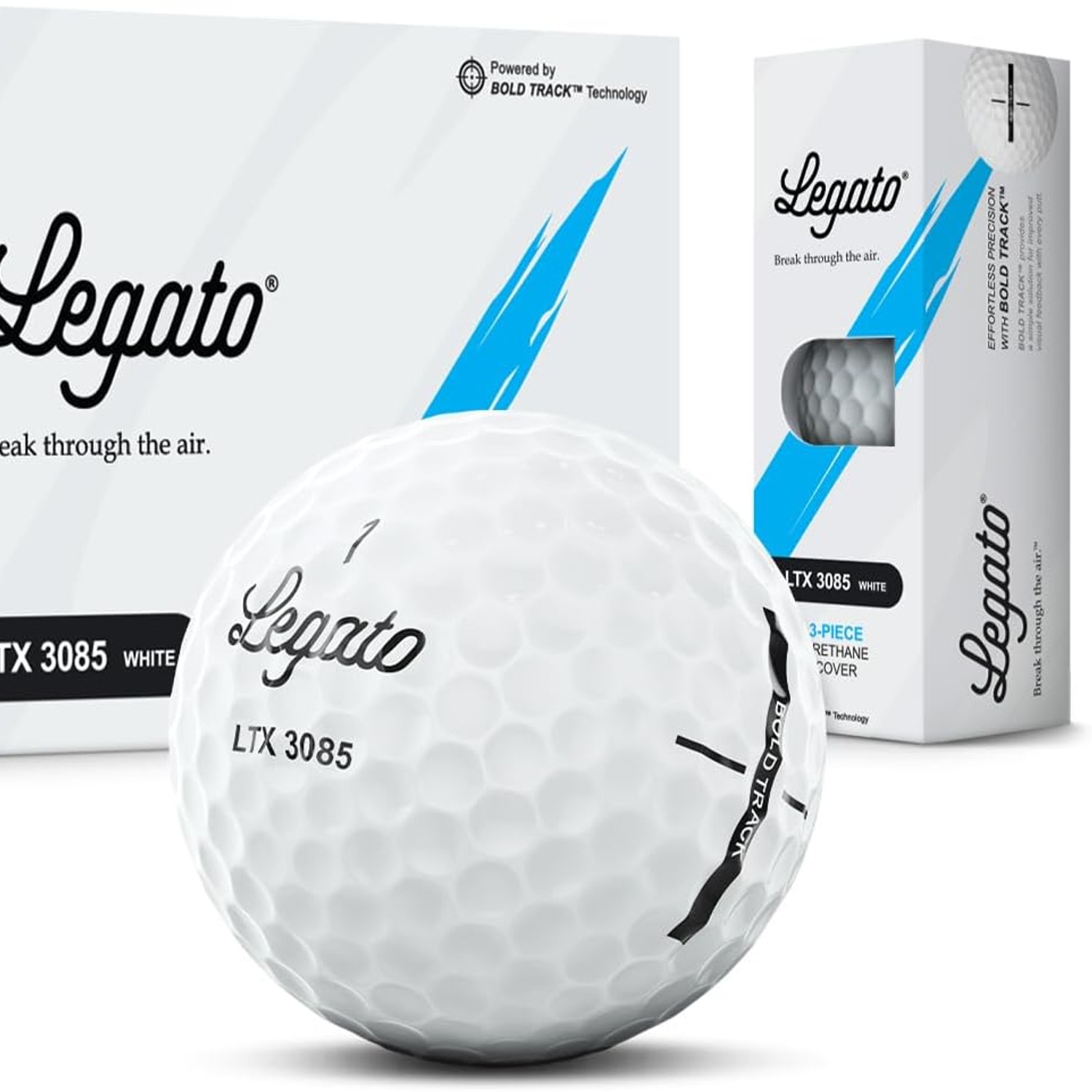
This dozen keeps the main details clear. You get 12 white urethane golf balls with three-piece construction, 85 compression, 350 dimples and putting alignment markings. Those facts give you a useful starting point. The next step is deciding which features matter to your game, your practice habits and your budget.
Start with the ball you already know
Before buying something different, think about your current ball. What do you like about it? Perhaps it feels comfortable off the putter, or perhaps you simply know what to expect when you chip.
A familiar ball gives you a reference. Without one, it is easy to mistake a better swing or a different green for a change caused by the ball. You do not need a formal test, but keeping the comparison fair helps.
If you are choosing your first regular ball, start with the basics. Check the material, construction, quantity and price. Then pay attention during practice. A useful choice is one you can afford to keep playing and learn to recognise through repeated use.
What is in this dozen?
This is one pack containing 12 white golf balls. The listed material is urethane, and the construction is three-piece. Each ball has a stated diameter of 1.68 inches.
The maker's description also lists an item weight of 637 g and parcel dimensions of 18.9 x 13.69 x 4.9 cm. Keep those figures separate from the ball specifications. The parcel measurements describe the package, and the listed item weight is not an individual ball weight.
That distinction matters when comparing products. One seller may show a parcel weight while another shows a single-ball measurement. Figures are only useful side by side when they describe the same thing.
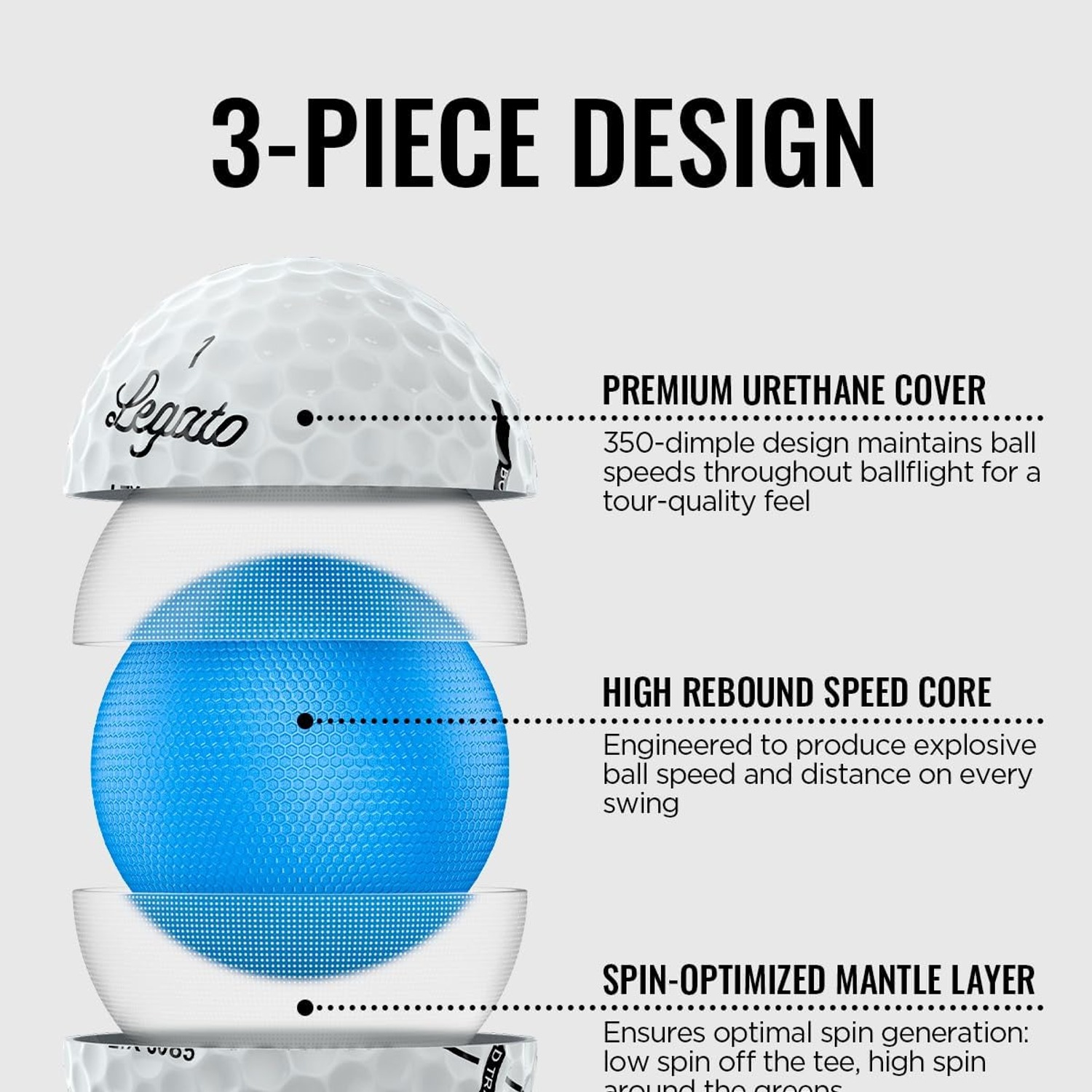
Understanding the three-piece design
Three-piece golf balls are described by their construction, meaning the ball is made in three parts. The maker does not provide the material or thickness of every layer, so there is no reason to guess at those details.
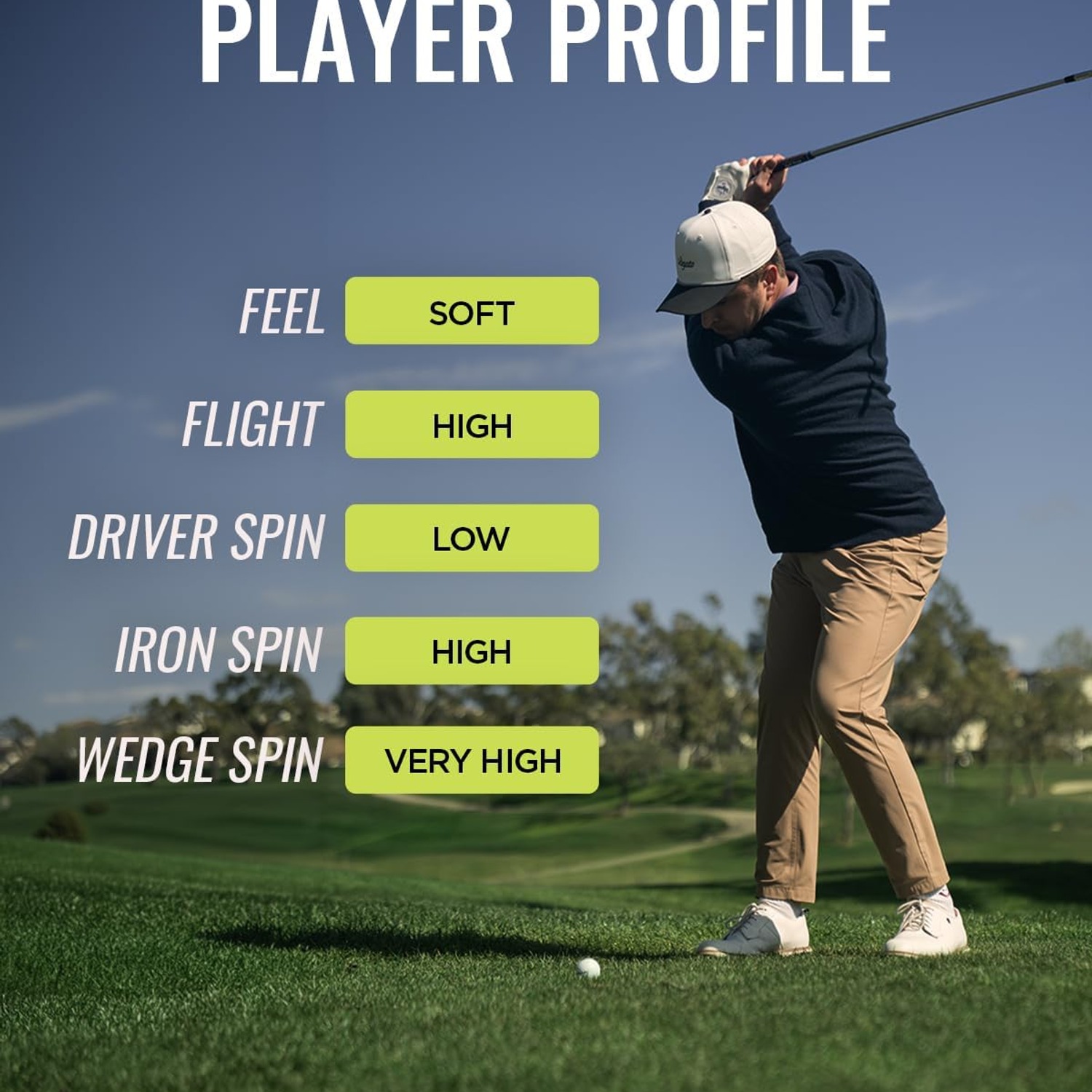
The stated design aims include distance, lower spin on long shots and soft feel with responsive control near the green. Treat these as the intended balance of the design, not a promise that every shot will produce a certain result.
Your strike, club choice and playing conditions still matter. The sensible question is whether this combination feels useful to you compared with the ball you already play. A construction label can narrow your choices, but it cannot make that decision on its own.
What 85 compression tells you
These are 85 compression golf balls. That is a stated specification you can use when comparing models, especially if your usual ball also has a published compression figure.
It is not enough to turn the number into a personal fitting rule. The maker does not give a tested swing-speed range or measured results for different golfers. It would be a stretch to say that one number makes the ball right for every player.
If you are unsure, pay attention to the shots you hit most often. Compare putting feel, short chips and longer shots rather than judging the whole pack from a single drive. A ball needs to make sense across your normal round.
Soft feel is a personal choice
Soft feel urethane golf balls may appeal if feel is high on your list. This model is described as offering a soft response, particularly around the greens.
Still, “soft” is a description, not a shared measurement of what every golfer will notice. Someone moving from a very different ball may have a stronger reaction than someone making a small change.
Give yourself a few practice sessions to form an opinion. Use your usual clubs and, where possible, compare in similar conditions. Notice whether you like the response rather than trying to match someone else's view. Your preference is more useful than a broad claim about what all golfers should want.
Using the putting alignment markings
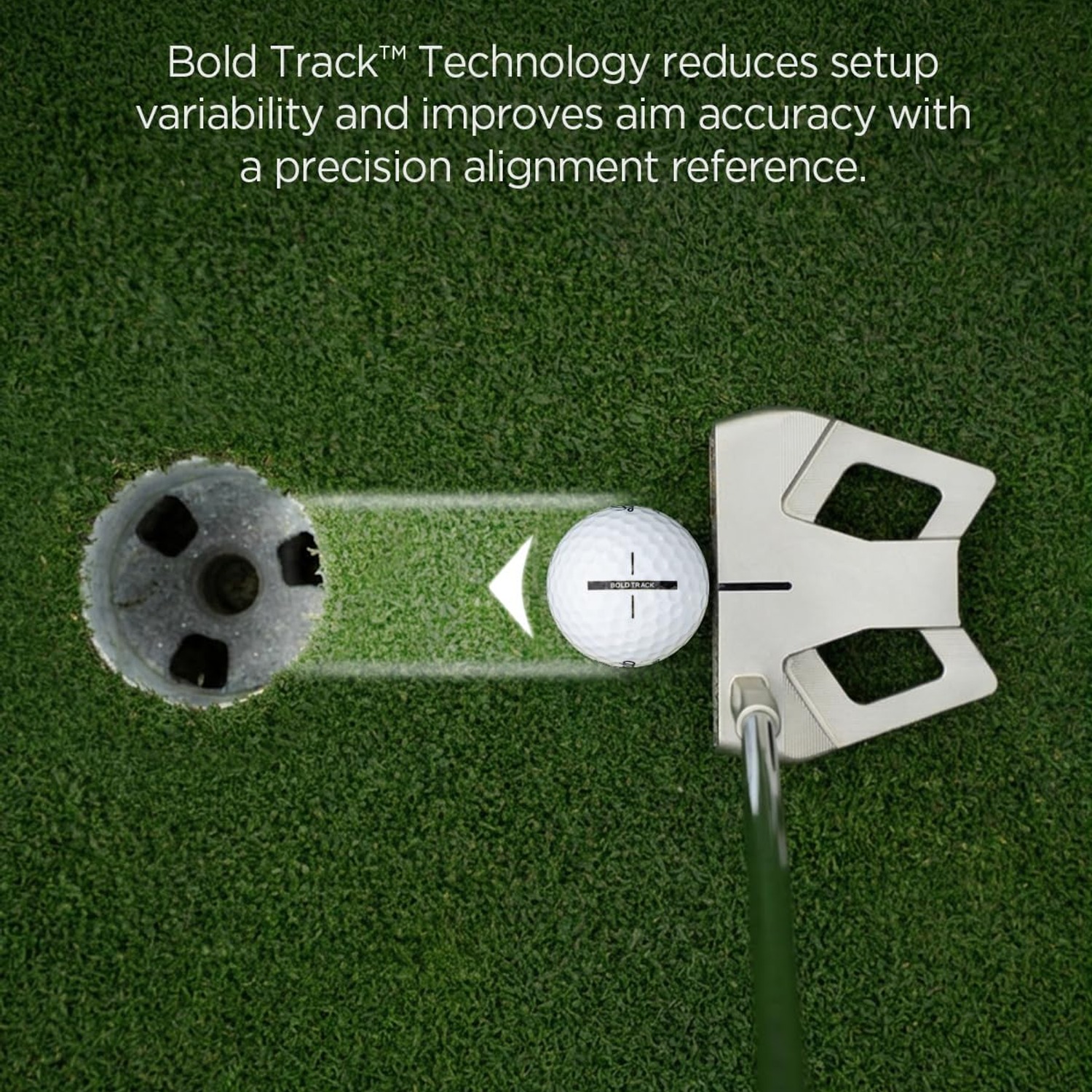
Golf balls with alignment markings give you a visible reference when preparing a putt. You can use that reference as part of your normal setup, then check how comfortable the process feels.
The marking does not read the green or choose the pace. It is a setup aid, not a guarantee. If you already use a line on your ball, it is a relevant feature to compare. If you prefer a plain view at address, think about whether the marking fits your routine.
Putting practice is a good place to assess this. Take your time, repeat the same setup and decide whether the visual reference helps you make a clear choice before the stroke.
Dimples and flight claims
The maker's description specifies 350 dimples, with a design intended to support stable, consistent flight. That count is a concrete detail, but it should not be treated as a ranking.
A higher or lower dimple count alone does not tell you which ball you will prefer. The maker does not include a measured flight chart, launch data or a controlled yardage comparison.
When looking at 350 dimple golf balls, keep the whole specification in view. Construction, compression and your own experience all belong in the comparison. Avoid choosing on one number while overlooking the features you actually care about during a round.
Who should consider this pack?
This pack is worth considering if you want white golf balls with urethane material, three-piece construction and a stated compression figure. It also gives you a full dozen rather than a small sample quantity.
There is no stated handicap requirement. Golfers at different experience levels can compare the listed features, but the maker does not establish that the ball is a fit for every player.
For recreational play, your budget and preferences matter. If you lose balls often, cost per ball may deserve more weight. If you care most about putting feel, allow time to assess that before making the pack your regular choice.
Comparing price without losing sight of fit
A dozen urethane golf balls is easy to compare by quantity. Divide the displayed price by 12 to find the cost per ball, then use the same method for other packs.
Next, check whether the products share the features you want. A lower pack price does not tell the whole story if the pack contains fewer balls or has a different construction.
There is no single best urethane golf ball for every budget and preference. Aim for a choice that makes sense at the price you are comfortable paying. Keep delivery charges and any return postage in mind when comparing the full cost of an order.
Trying them during practice
Start your comparison with familiar shots. Putts and short chips let you focus on feel without making distance the only measure. Then move to longer shots in an appropriate practice setting.
Use your current ball alongside the new one where practical. Avoid drawing a firm conclusion from one poor strike or one unusually good result.
Golf balls for putting practice can also become part of a repeatable routine. Keep the setup similar and note what you actually prefer. You do not need to turn a practice session into a test report. A few clear observations are enough to make a more informed choice.
Care, storage and gifting
Clean the balls with mild soapy water and a soft cloth, then rinse and dry them. Avoid abrasive cleaning methods that could damage the surface or markings. Check for visible cuts or other damage before use.
Store spare balls somewhere dry, away from prolonged heat and direct sunlight. Keeping them clean also makes it easier to inspect them before your next round.
As a golf ball gift, a dozen is a straightforward quantity. The main question is preference. Some golfers like trying different equipment, while others want the same ball every time. Checking that first can make the gift more useful.
Delivery, returns and the short version
Delivery timing is not specified by the maker. Check the information shown when ordering, especially if you need the pack before a round or a gift date.
Change-of-mind returns are available within 14 days of delivery, with return postage paid by the customer. That policy sits alongside your rights under applicable provincial consumer protection law. Check the return conditions before opening or using the pack if you are unsure.
The short version is simple. This is a dozen white, three-piece urethane golf balls with 85 compression, 350 dimples and putting alignment markings. Choose them by their known specifications, compare them with a familiar ball and let your own playing experience guide the decision.