
The complete guide
Choosing a Golf Swing Trainer for Your Practice Routine
A golf practice routine can become a pile of good intentions. You want to spend time on your swing, but choosing another piece of equipment raises a simple question. What will you actually use it for?
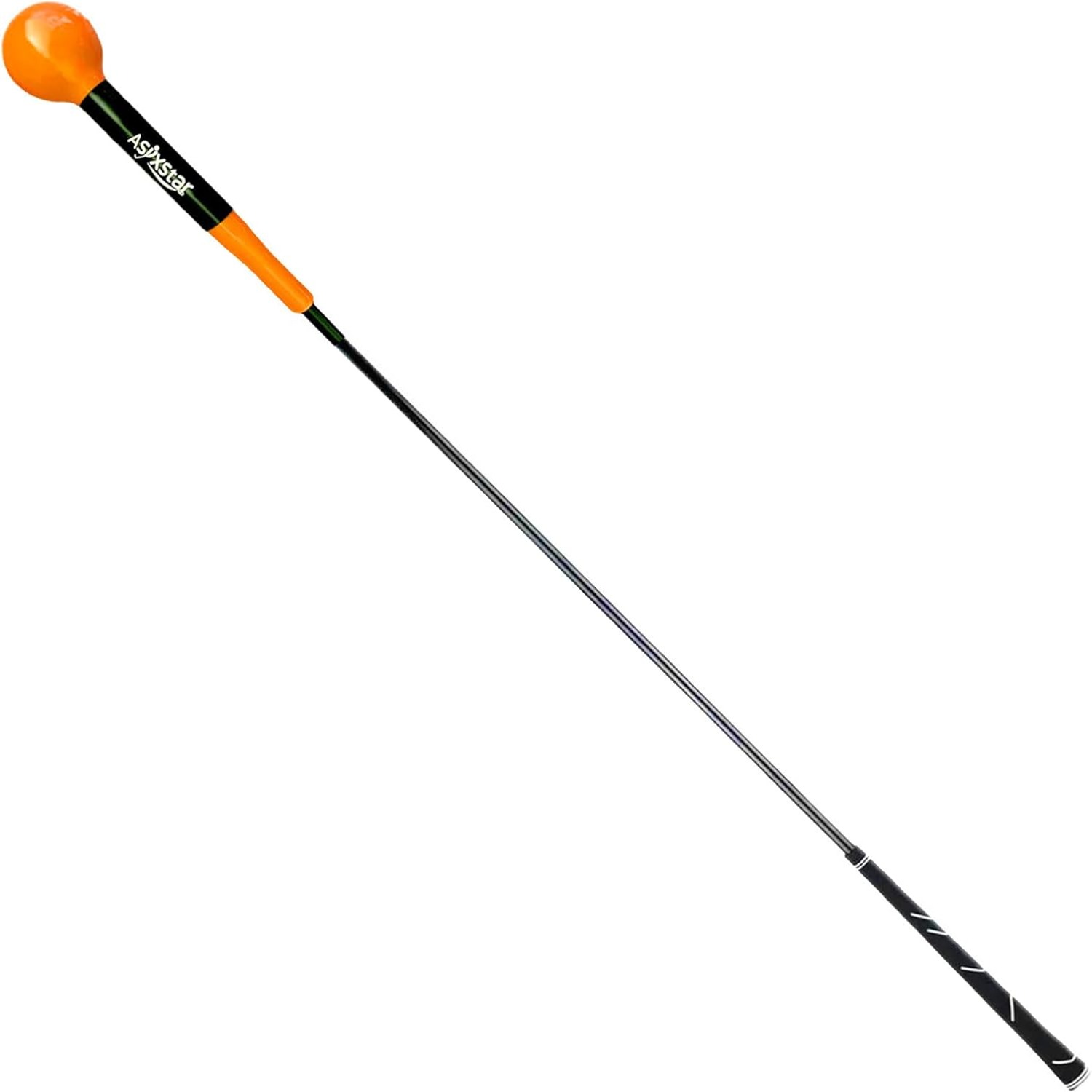
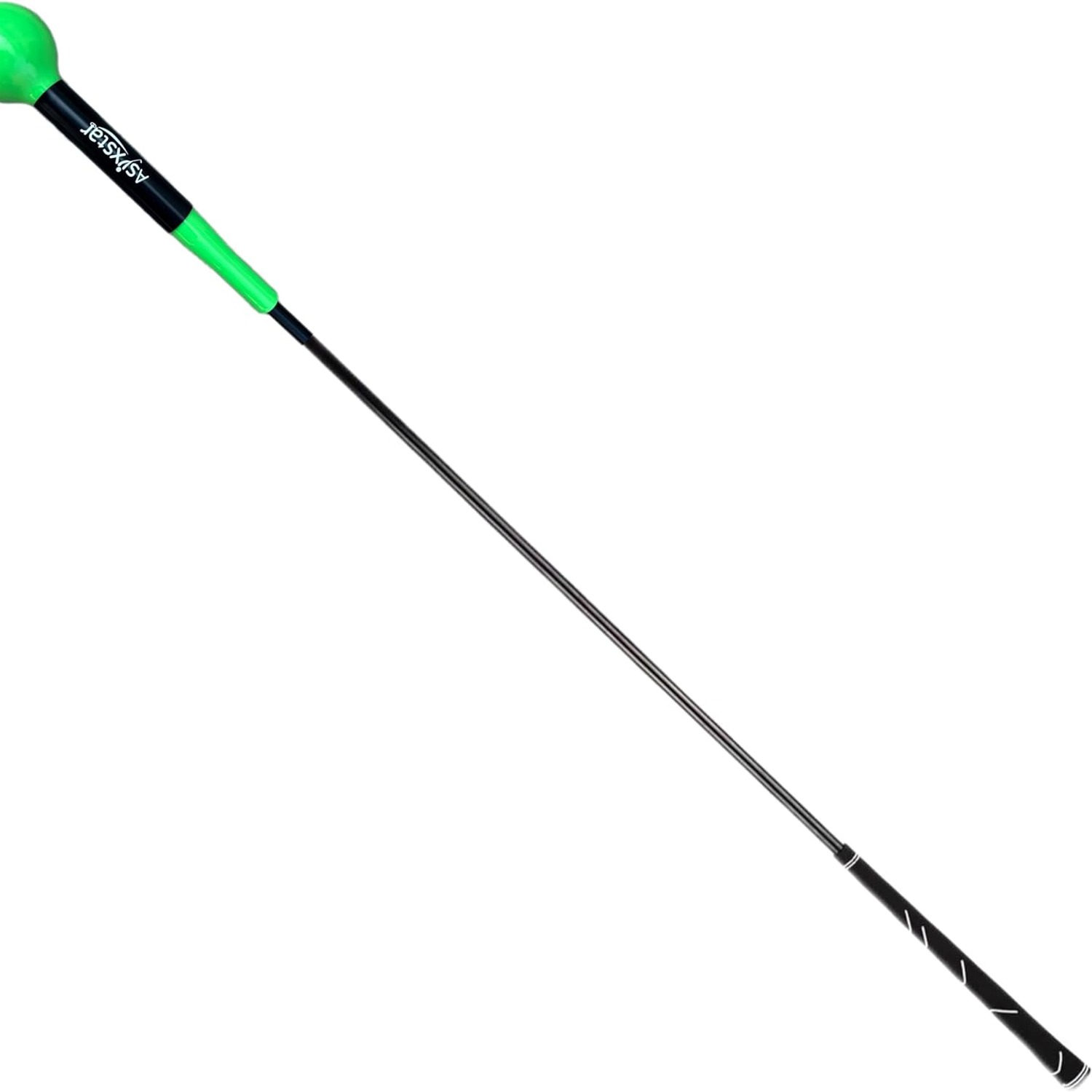
This Golf Swing Trainer is a dedicated practice tool with a weighted head, flexible shaft and textured grip. Those are its main documented features. They give you a starting point for comparison, but they do not tell the whole story about fit.
Before you buy, look at the kind of practice you want to do, the space available and the details that still need checking. A useful purchase starts with clear expectations, not a promise that one tool will fix every part of your game.
Start with the practice task
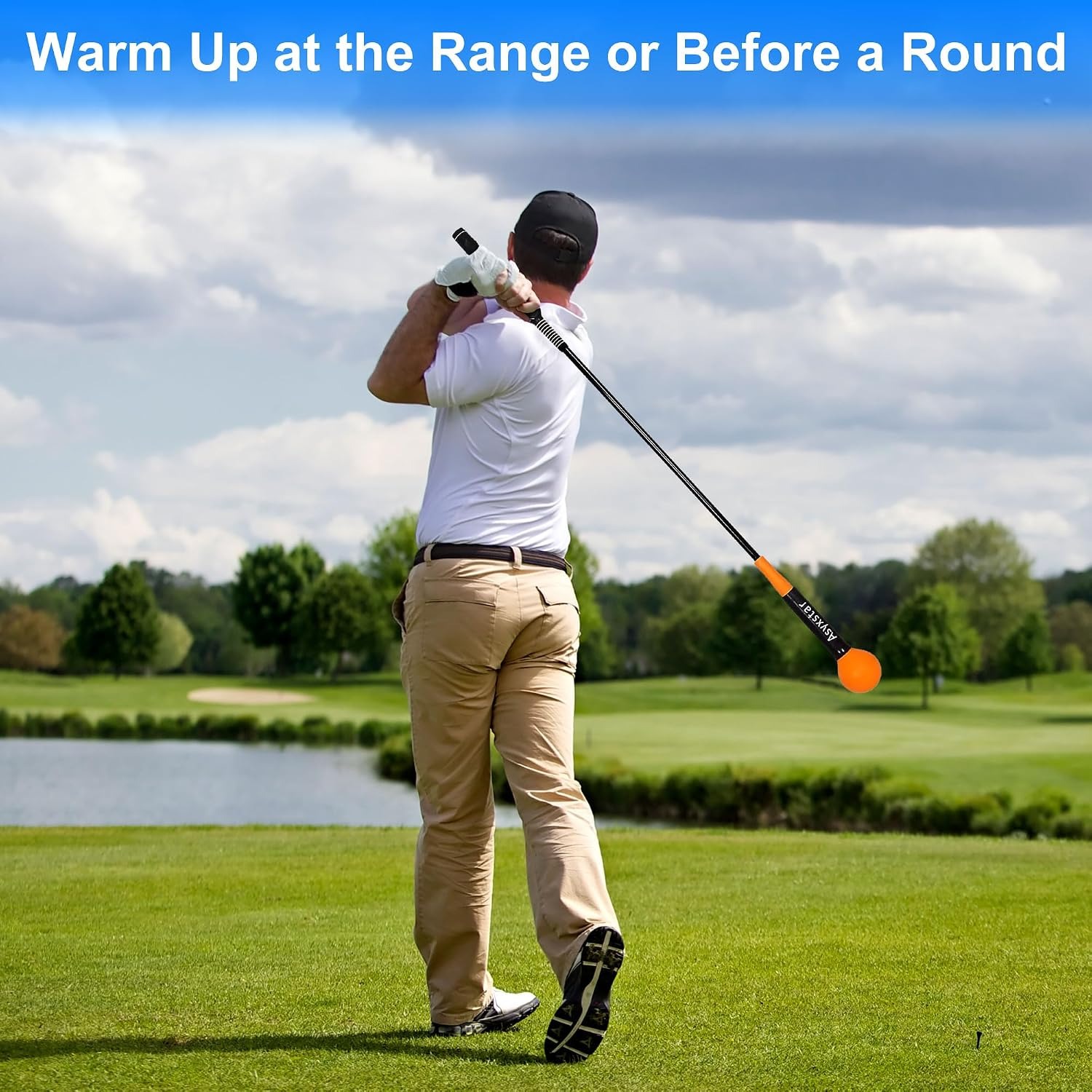
Think about why you are looking for a golf swing practice aid. You may want a separate tool for rehearsing a movement discussed in a lesson. You may be comparing equipment for a warm-up routine. Or you may simply want to understand how a weighted design differs from the clubs you already own.
Be specific about that purpose. “Practise more” is a hard goal to judge. Knowing which movement or part of a routine you want to work on makes it easier to ask useful questions before buying.
This product identifies a swing trainer, not a full coaching system. It does not include an individual assessment of your technique. If you are working with an instructor, ask whether this style of equipment fits the task you have been given.
Understand the basic design
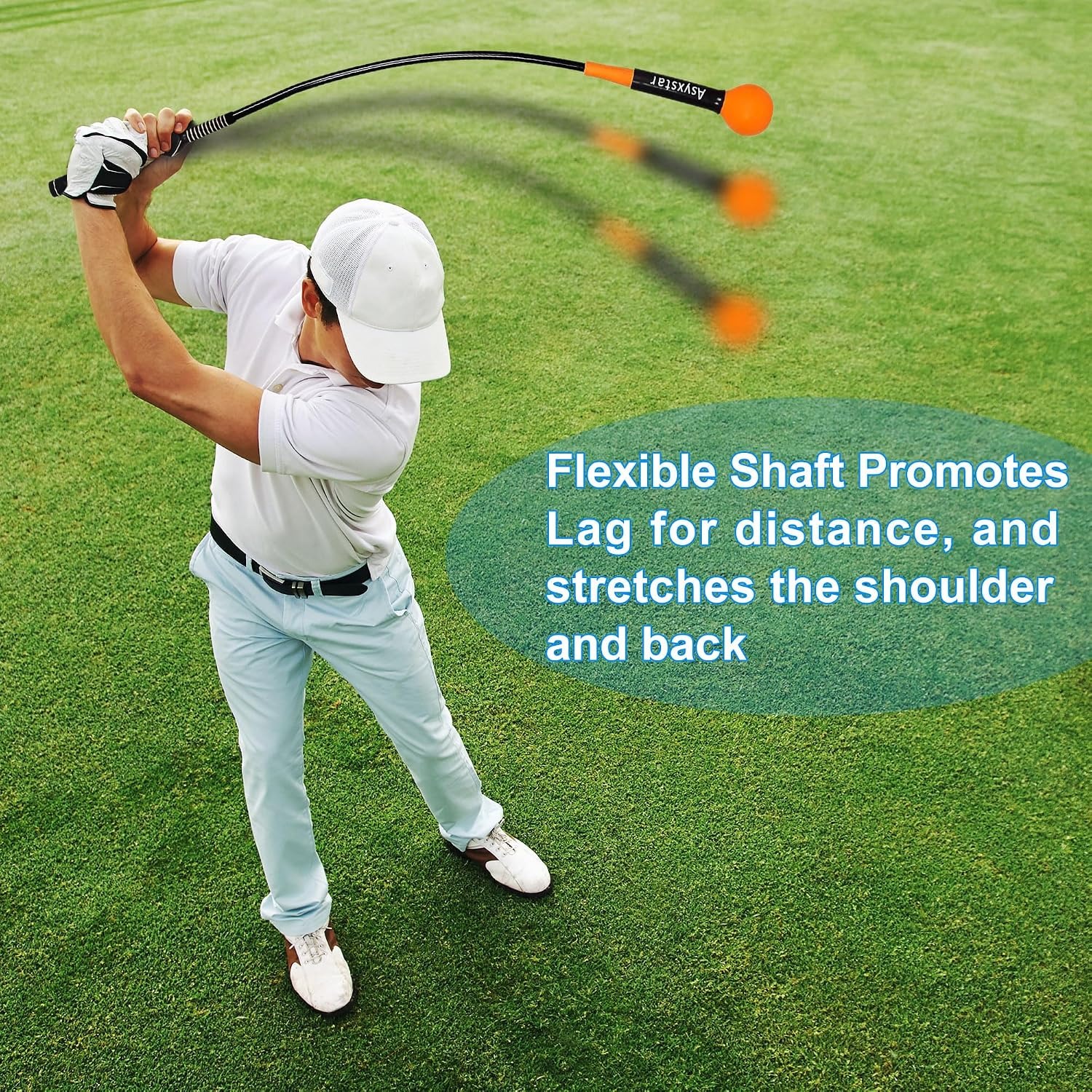
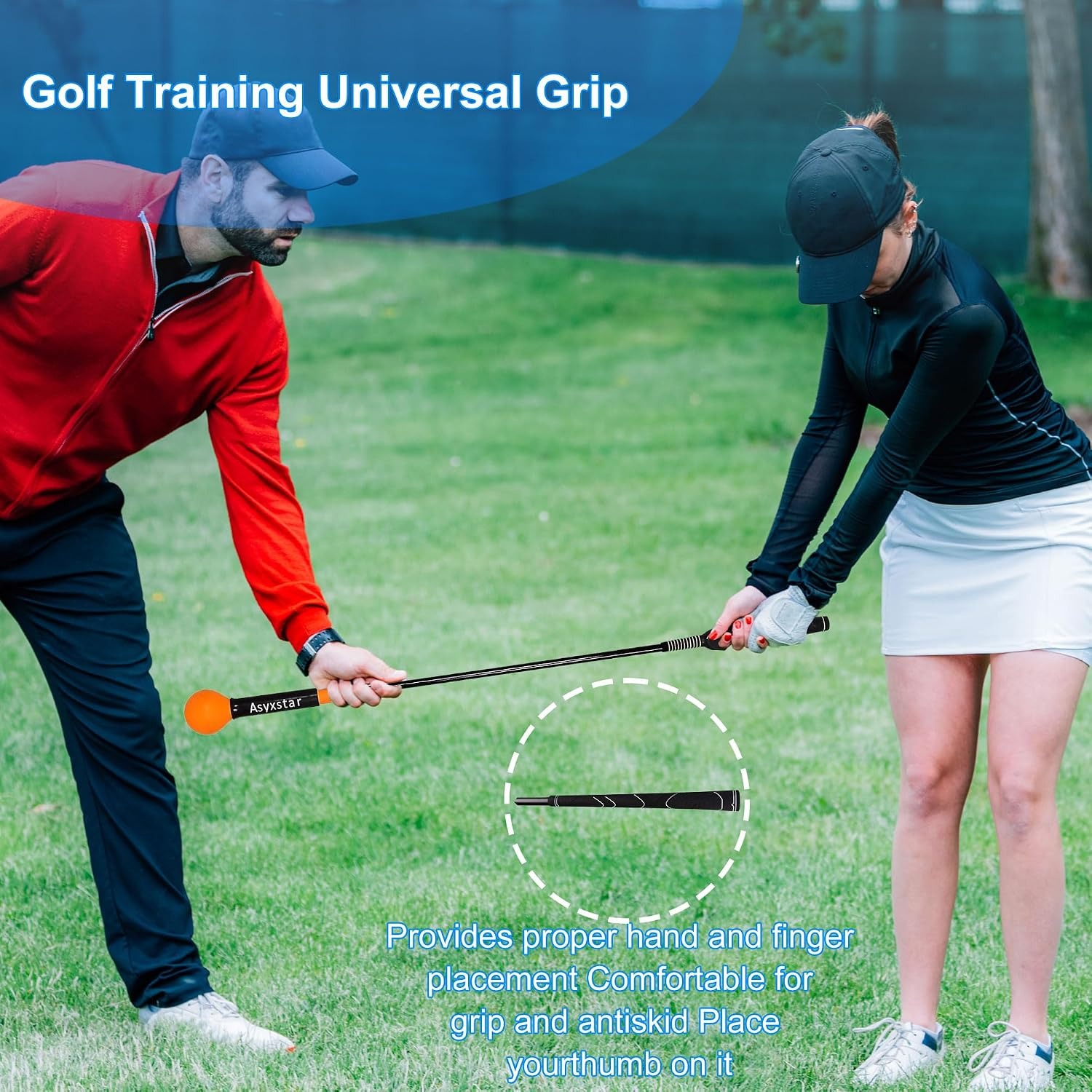
The trainer combines a weighted head with a flexible shaft. A textured grip provides the holding surface. These features distinguish its design from a simple rigid practice stick.
The reference description connects this design with swing tempo and warm-up practice. That explains its intended role, but it does not establish a specific improvement for an individual golfer. There are no measured test results in the maker's description.
When comparing a flexible shaft golf trainer with other equipment, keep the difference between a design feature and an outcome clear. A flexible shaft is a stated feature. A lower score, longer shot or corrected swing is not a confirmed result.
That distinction helps keep the buying decision grounded. You can choose a tool for its construction without expecting it to deliver a result on its own.
Read the size details carefully
Size deserves extra attention with this product. The product's size field reads 120CM, and its parcel dimensions are listed as 120.01 x 7.62 x 7.62 cm.
There are also separate entries for height, length and width. Those read 50 cm, 100 cm and 100 cm. The maker does not explain how these figures relate to the assembled trainer.
Do not use the parcel measurement as proof of the trainer's exact length. Packaging dimensions and product dimensions describe different things, even when one number appears close to the marked size.
If you need a precise length for fit, storage or practice space, ask for confirmation before ordering. This is more useful than trying to settle the difference by rounding figures or choosing whichever entry seems most likely.
Consider weight as well as length
The listed item weight is 612 g. That is a helpful comparison point when you are looking at a weighted golf swing trainer, but it does not reveal how the weight is distributed.
The head has no separate weight figure. There is also no stated shaft weight, grip weight or balance measurement. Two trainers with the same total weight would not necessarily feel the same in use.
Avoid deciding on weight alone. Consider the size, your intended practice task and any guidance you have received. If you need a particular head weight or balance point, the maker's description does not supply enough detail to confirm it.
The aim is to buy something that fits a known purpose, rather than adapting your plans to a number on a product page.
Check fit without relying on skill labels
Terms such as beginner golf trainer can help narrow a search, but they are not a fit guarantee. A beginner and an experienced golfer may have different needs even when they are the same height.
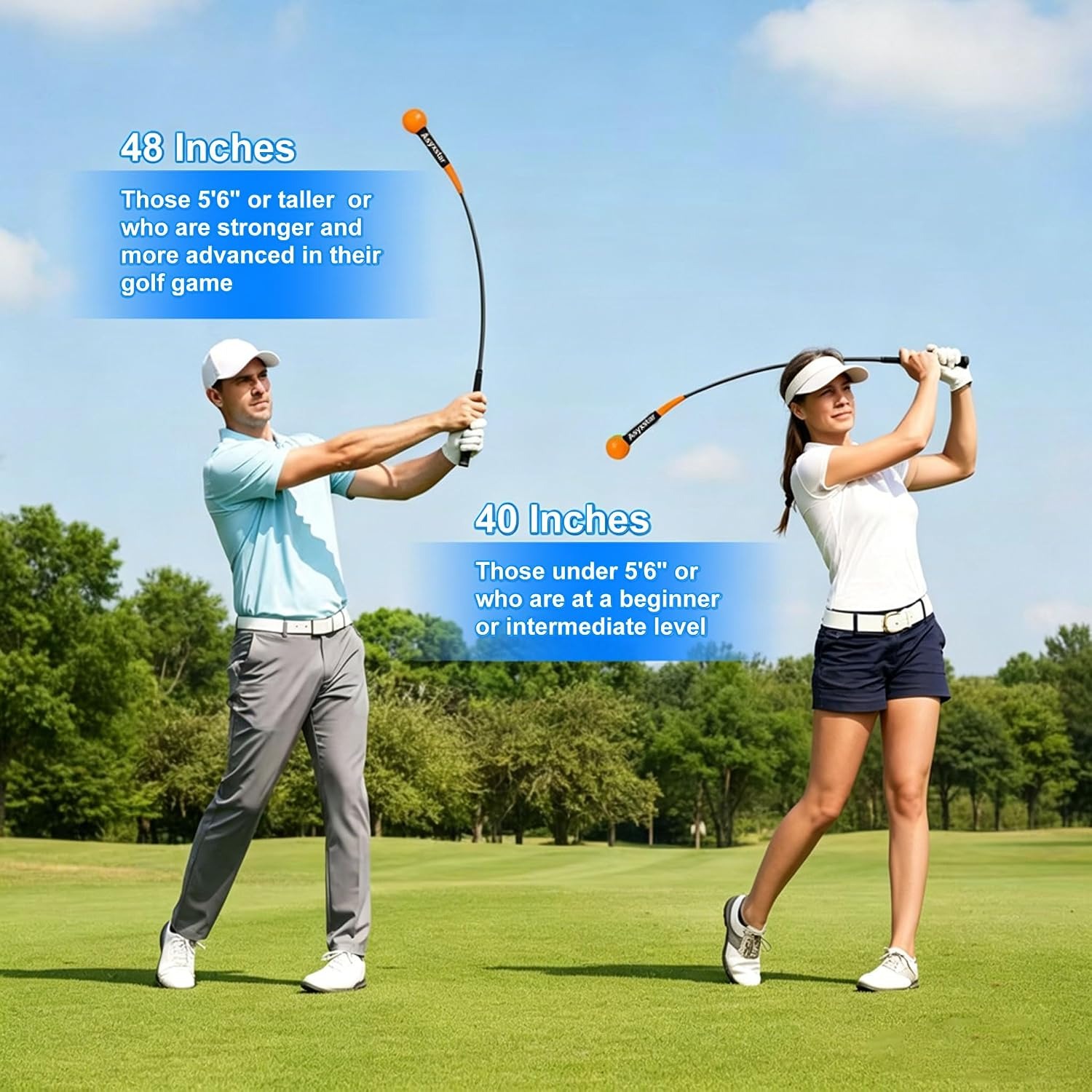
The reference information gives general guidance for 40-inch and 48-inch trainer sizes. However, this item has a 120CM size label and conflicting measurement fields. That general guidance does not settle the exact fit of this product.
Hand orientation is another open question. The maker does not state left-handed or right-handed suitability. Do not assume that a general description of golf practice equipment confirms both.
For a child, the gaps matter even more. No child-specific age range or fit guidance is supplied. Confirm suitability rather than choosing only by appearance or the idea that a training aid is easier to handle than a playing club.
Make room for the equipment
Before choosing any golf swing tool, think about where it will be used. A storage corner is not the same as a practice area, and a space that fits the item at rest may not accommodate its movement.
The maker does not give a required clearance or confirm indoor suitability. It would therefore be misleading to describe the trainer as suitable for every room, garage or garden.
Check the instructions supplied with the item and assess the space for the intended movement. Keep the exact size question in mind while doing so. If the assembled length has not been confirmed, you cannot make a reliable clearance decision from the parcel figures alone.
Also consider how you will put it away. A long practice tool needs a storage position that does not force its flexible shaft into a bend.
Keep practice expectations realistic
A golf tempo trainer is still a piece of equipment. It cannot tell you why a shot went wrong, assess discomfort or choose the right exercise for your current swing.
If you already follow a lesson plan, use that as the basis for deciding whether this design has a place in it. If you do not have a plan, seek instruction before assuming repeated swings are the answer.
The reference copy suggests 10 to 20 repetitions a day. That figure should not be treated as a personal programme. It does not account for individual needs, experience or physical condition.
There is no need to judge a purchase by dramatic promises. A more useful question is whether its documented features match a practice task you understand and intend to carry out.
Know what is not specified
Some product details are clear. The maker describes a weighted head, flexible shaft and textured grip. It lists orange as the colour and 612 g as the item weight.
Other details are missing. The exact material composition, country of origin and hand orientation are not stated. A full package contents list is also absent, so do not assume a carry case, balls or extra accessories are included.
There is no stated warranty in the maker's description. That is different from saying no warranty exists. It means you should ask for the applicable terms if they are important to your decision.
The same approach applies to playing use. This is listed as a swing training aid, not a ball-striking club. No claim about its conformity with golf rules is provided.
Care for the trainer with simple methods
Since the materials are not identified, start with gentle care. Wipe surface dirt away with a soft cloth and dry the trainer before storage.
Avoid harsh cleaners, abrasive pads and prolonged soaking. Without material-specific guidance, there is no basis for recommending a solvent, polish or treatment.
Check the grip, shaft and head for visible damage before use. If something looks loose or damaged, seek advice rather than continuing on the assumption that it is normal.
Keep the item away from damp storage and direct heat. Follow any care instructions supplied with the product, particularly if they give more precise guidance about its materials or construction.
Buying as a gift or ordering in Canada
Golf practice equipment can be a thoughtful gift when it matches something the recipient wants. It is harder to choose well when you do not know their preferred size, hand orientation or practice routine.
Ask a few quiet questions before buying. Someone who has requested a particular style of trainer is easier to buy for than someone who simply enjoys golf.
For Canadian orders, check delivery information for the destination before paying.
Change-of-mind returns run for 14 days from delivery, and the customer pays return postage. Your rights under applicable provincial consumer protection law also apply. Keep that window in mind if the item is intended as a gift.
The short version
This Golf Swing Trainer has a weighted head, flexible shaft and textured grip. Its listed size is 120CM, and its stated item weight is 612 g.
The main point to resolve before purchase is fit. Confirm the assembled length and hand orientation if either affects your choice, and do not assume extra accessories are included.
Choose it because its documented design suits a clear practice purpose. That gives you a sounder basis for buying than any promise of an instant change to your game.