
The complete guide
A Practical Guide to Choosing a Compact Golf Rangefinder
A rangefinder needs a place in your golf kit, but it should not take over the bag. If you already carry spare balls, gloves, clothing and other accessories, the size of another device matters. So does knowing what comes with it and which details still need checking.
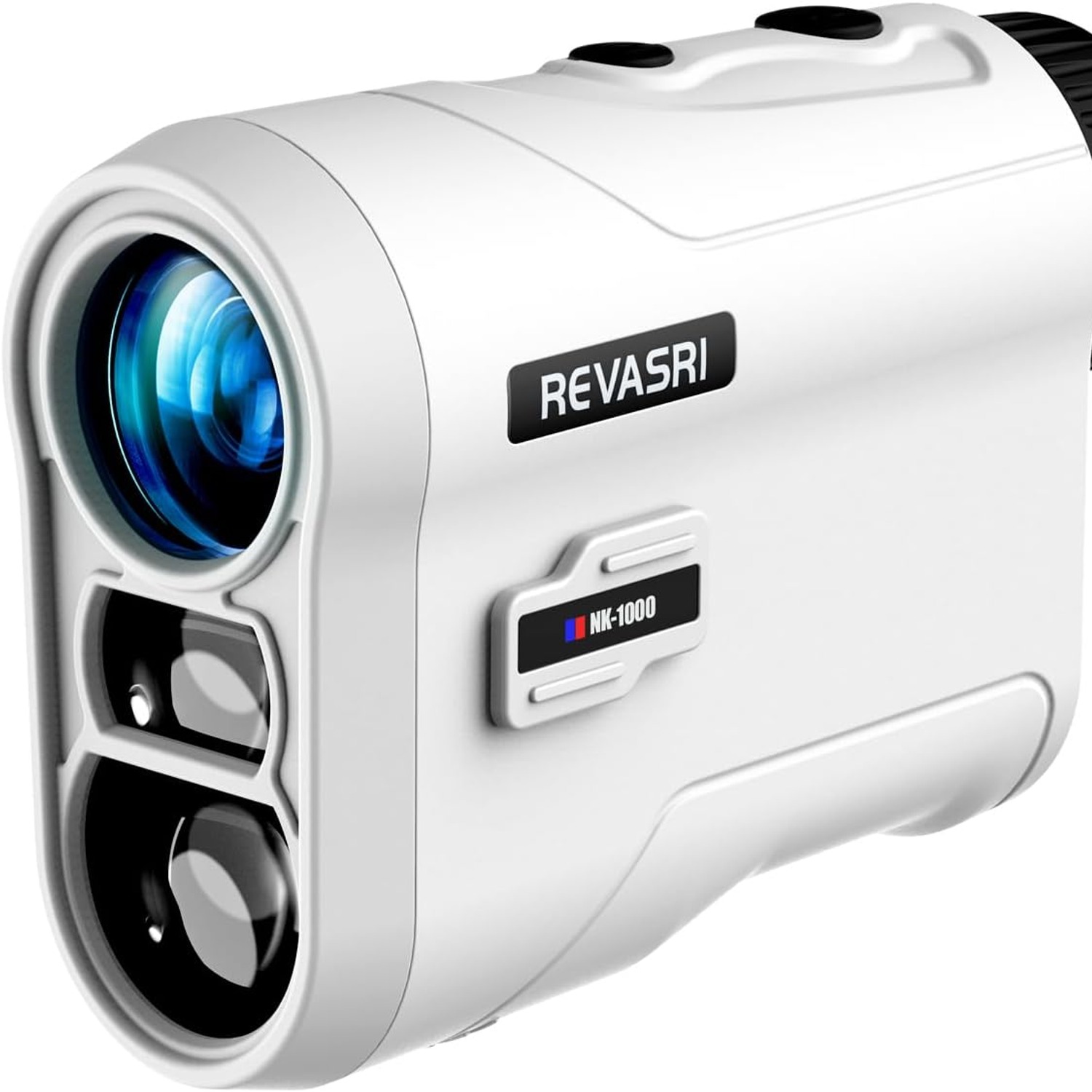
The Compact Golf Rangefinder has a stated weight of 120 g and dimensions of 9.65 x 3.3 x 6.6 cm. It comes with a battery, a pouch with carabiner and several useful accessories. Those are clear starting points for a buying decision.
There is also one important uncertainty. The measuring range is listed as two alternatives, rather than one confirmed specification. This guide helps you weigh the known details and ask the right questions before ordering.
Start with the job you want it to do
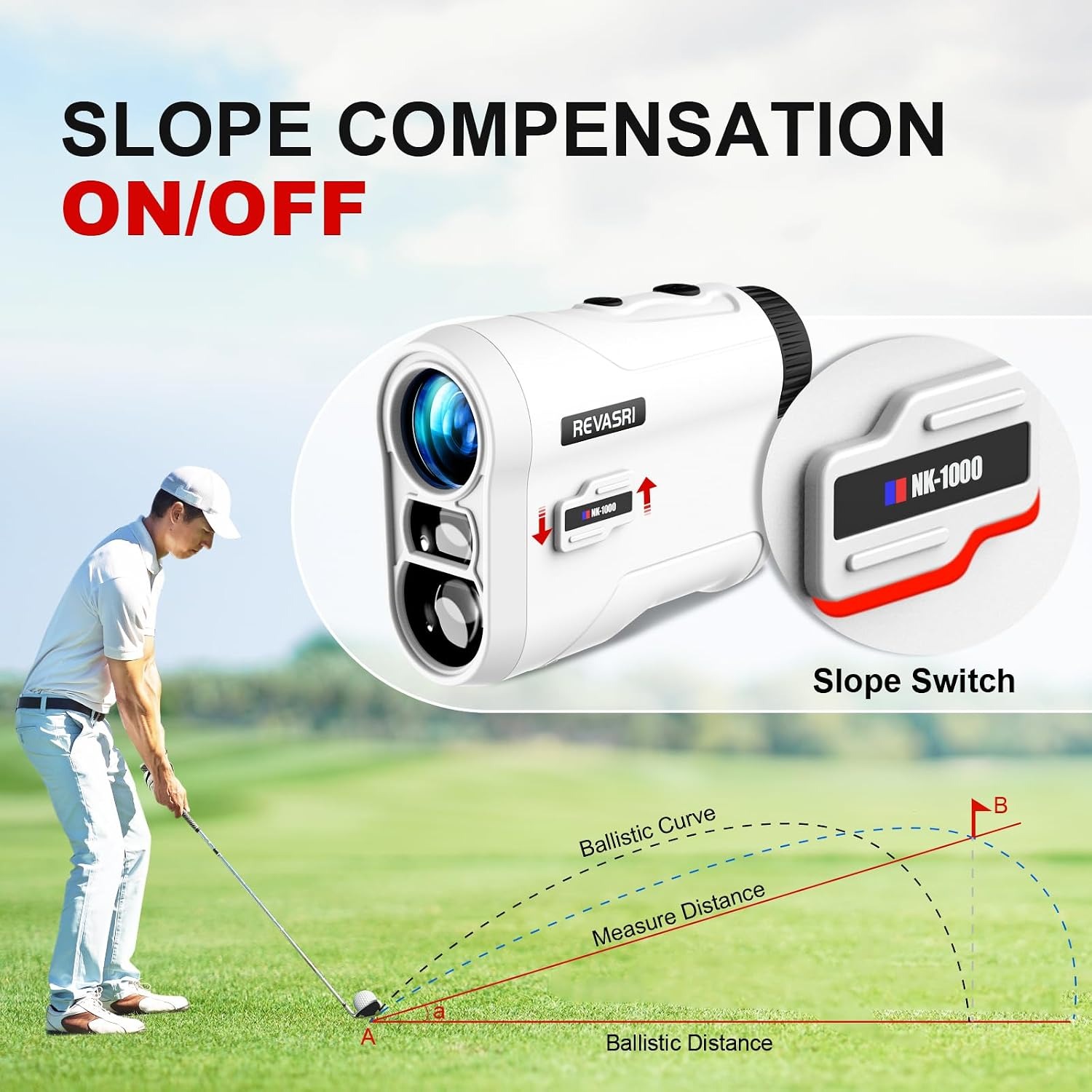
A golf distance finder is intended to help you measure the distance to a target. With a laser device, you aim at the target and use the measurement controls described in the manual. The result is information to consider alongside your own judgement.
Before choosing one, think about why you want it. You might want your first measuring device, a smaller replacement for existing equipment, or a gift for a golfer who has asked for one. Each reason changes what you should check.
A first-time buyer may place more value on clear instructions and a complete accessory kit. Someone replacing a rangefinder may care most about a particular specification. Do not assume that a compact body means every feature will match the device you already own.
Check the physical fit first
The recorded golf rangefinder dimensions are 9.65 cm long, 3.3 cm wide and 6.6 cm high. These figures tell you more than the word “compact” on its own.
Measure the pocket or compartment where you expect to keep it. Allow some extra room for taking the device out and putting it back. If you plan to store it inside its pouch, remember that the pouch dimensions are not given.
The 120 g weight is the stated device weight. It is not a confirmed weight for the full kit, pouch or shipping package. This distinction matters if you compare several products and one product page gives a device weight while another gives a packed weight.
For a lightweight golf rangefinder, physical fit is still personal. A shape that suits one golfer's hand or bag pocket may not suit another.
Understand the range information
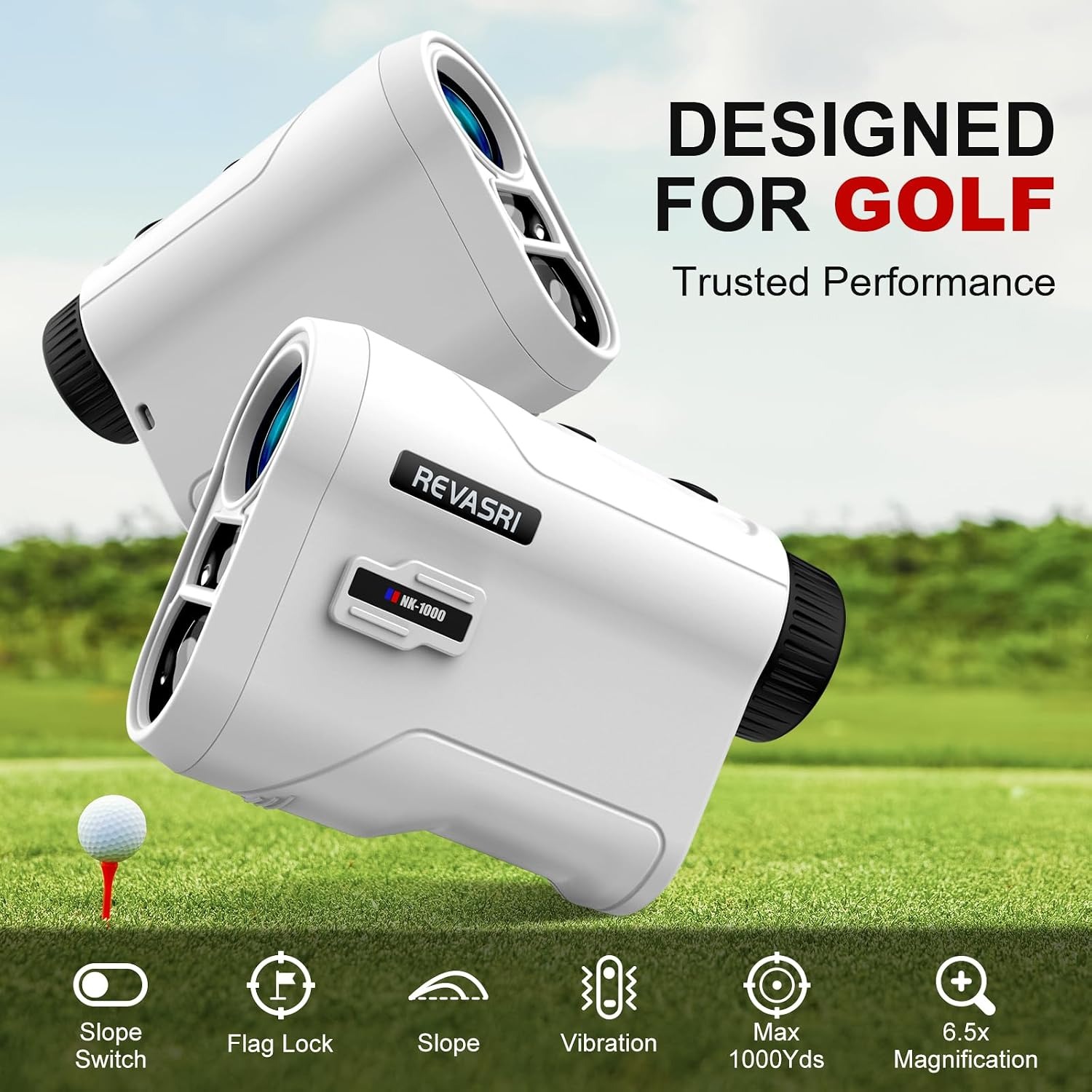
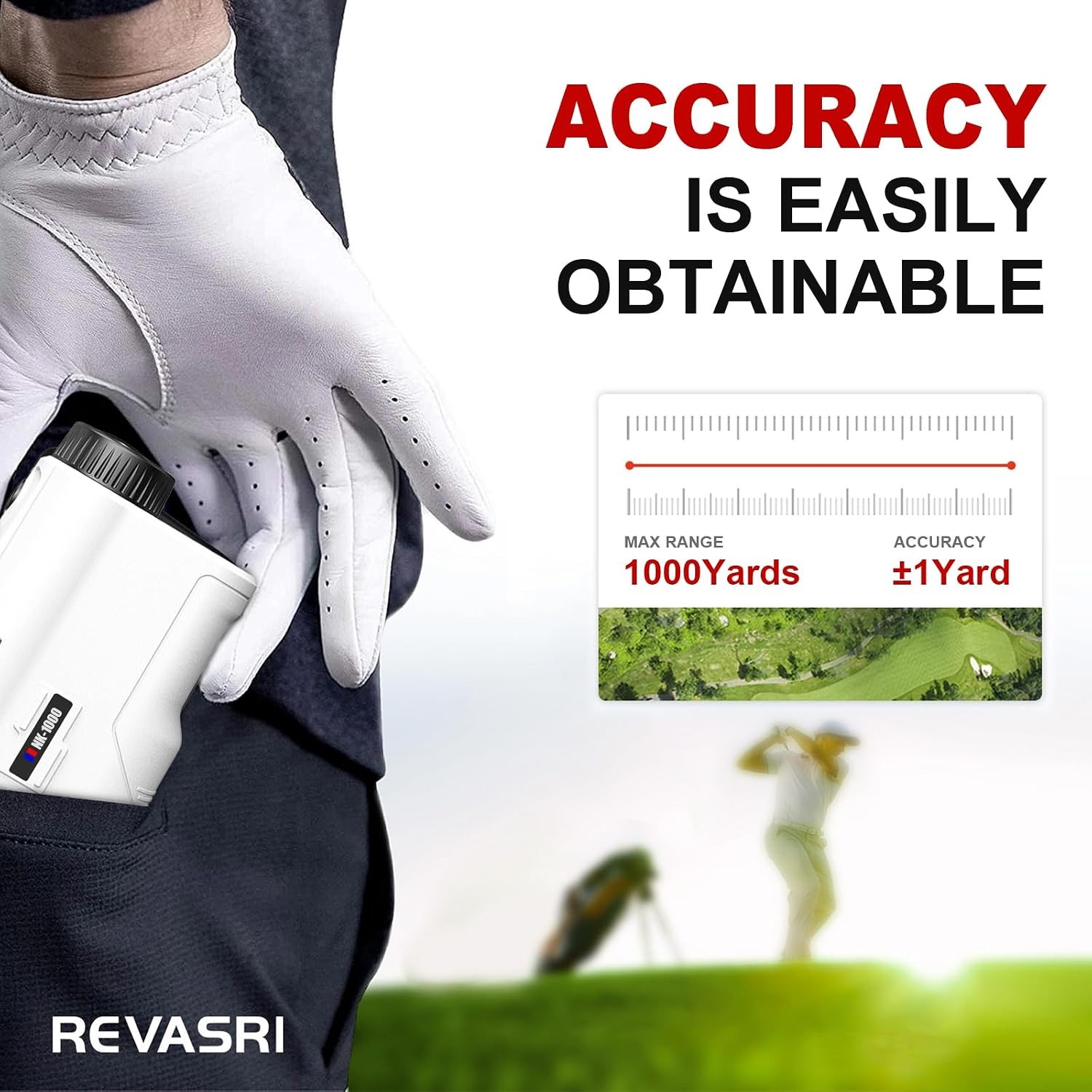
The specification records a measuring range of “5-600 yards or 5-1000 yards.” That wording leaves the supplied option unclear. It would not be sensible to treat the higher figure as a promise for this exact item.
If a particular distance limit is central to your choice, ask for confirmation before buying. Keep the question simple and specific. Ask which measuring range applies to the item you will receive, rather than asking whether it has a long range.
This is also a useful habit when comparing products. A clear specification is more helpful than a larger number that may belong to another version. Make your choice using confirmed details, especially when you are replacing equipment with a known range.
Look at magnification without assuming more
Maximum magnification is listed as 6.5x. That is a stated optical specification, but it does not answer every question about the viewing experience.
Eye relief, field of view and suitability when wearing glasses are not specified by the maker. If one of those points matters to you, ask about it rather than inferring an answer from the magnification figure.
The phrase pin seeker rangefinder may be what brought you to this page. It describes the kind of golf equipment being offered, but you should still read the supplied manual for the exact targeting controls. Learn how your unit operates before relying on it during a round.
See what the package includes
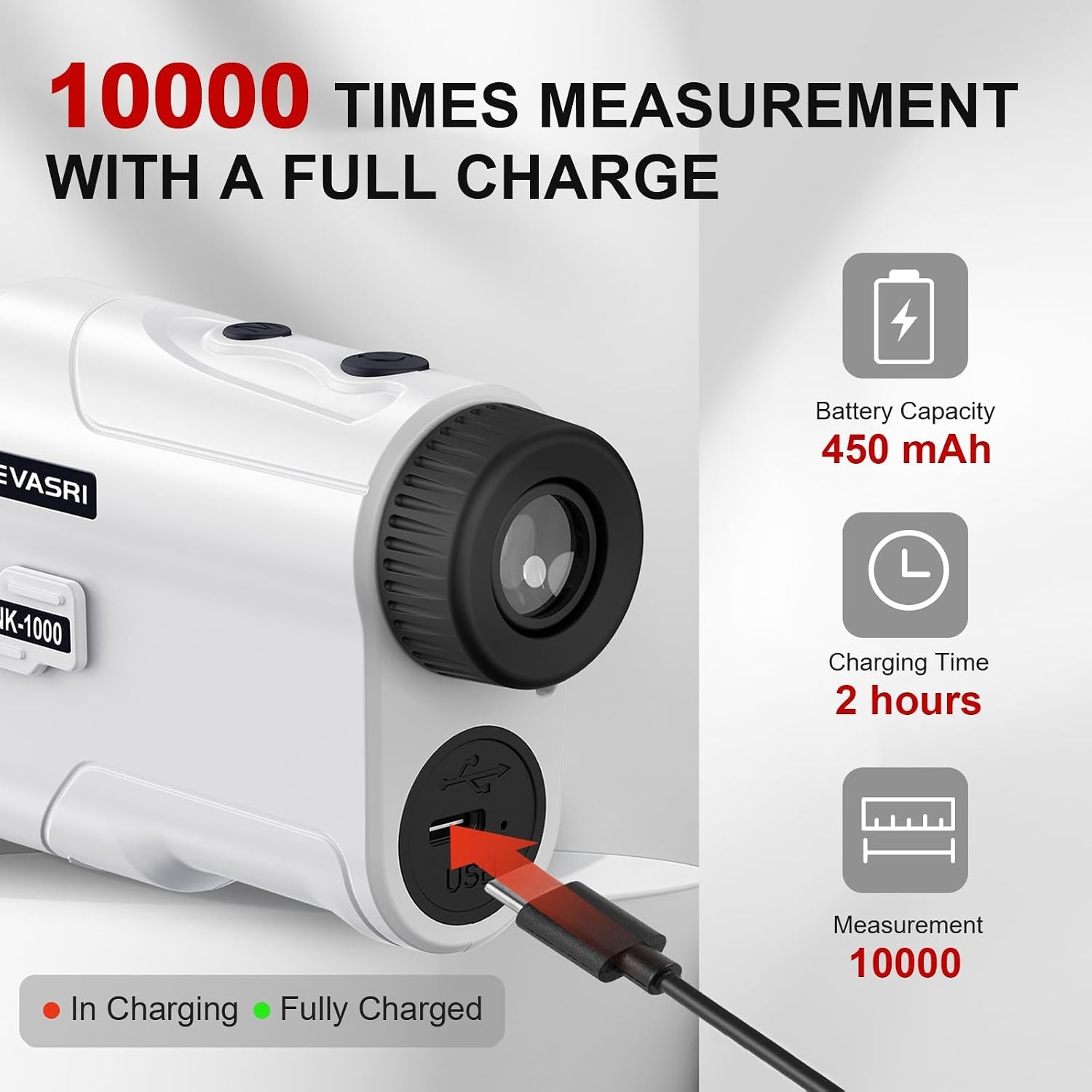
The listed package contains one rangefinder, a pouch with carabiner, a USB-C charging cable, a lens cleaning cloth and a user manual. One lithium-ion battery is included as well.
That makes the contents easier to plan around. You have a listed carrying pouch and a cloth for routine lens care, rather than needing to guess whether those accessories are separate purchases.
A wall charger is not listed. If you are buying a USB-C golf rangefinder, check the manual for its charging requirements before choosing a power source. The connector type alone does not provide all the charging instructions.
When the order arrives, compare the contents with the maker's description. Keep the manual somewhere you can find it, even after you are familiar with the basic controls.
Plan for charging without guessing runtime
The supplied battery and charging cable are useful facts. Charging time, battery capacity and runtime are not specified by the maker.
For that reason, avoid planning around a promised number of rounds per charge. Read the manual and become familiar with the device before taking it out for a full day. Any charging routine should follow the instructions supplied with the unit.
If runtime is a deciding factor for you, request that detail before ordering. A rechargeable golf rangefinder can suit different routines, but the word “rechargeable” does not tell you how often it will need power.
The same caution applies to battery replacement. The maker does not describe whether the owner can replace the battery, so do not assume a replacement method.
Consider materials and weather exposure
The product details list white colouring and an acrylonitrile butadiene styrene housing. This material is often shortened to ABS. The materials used for the pouch and other accessories are not stated.
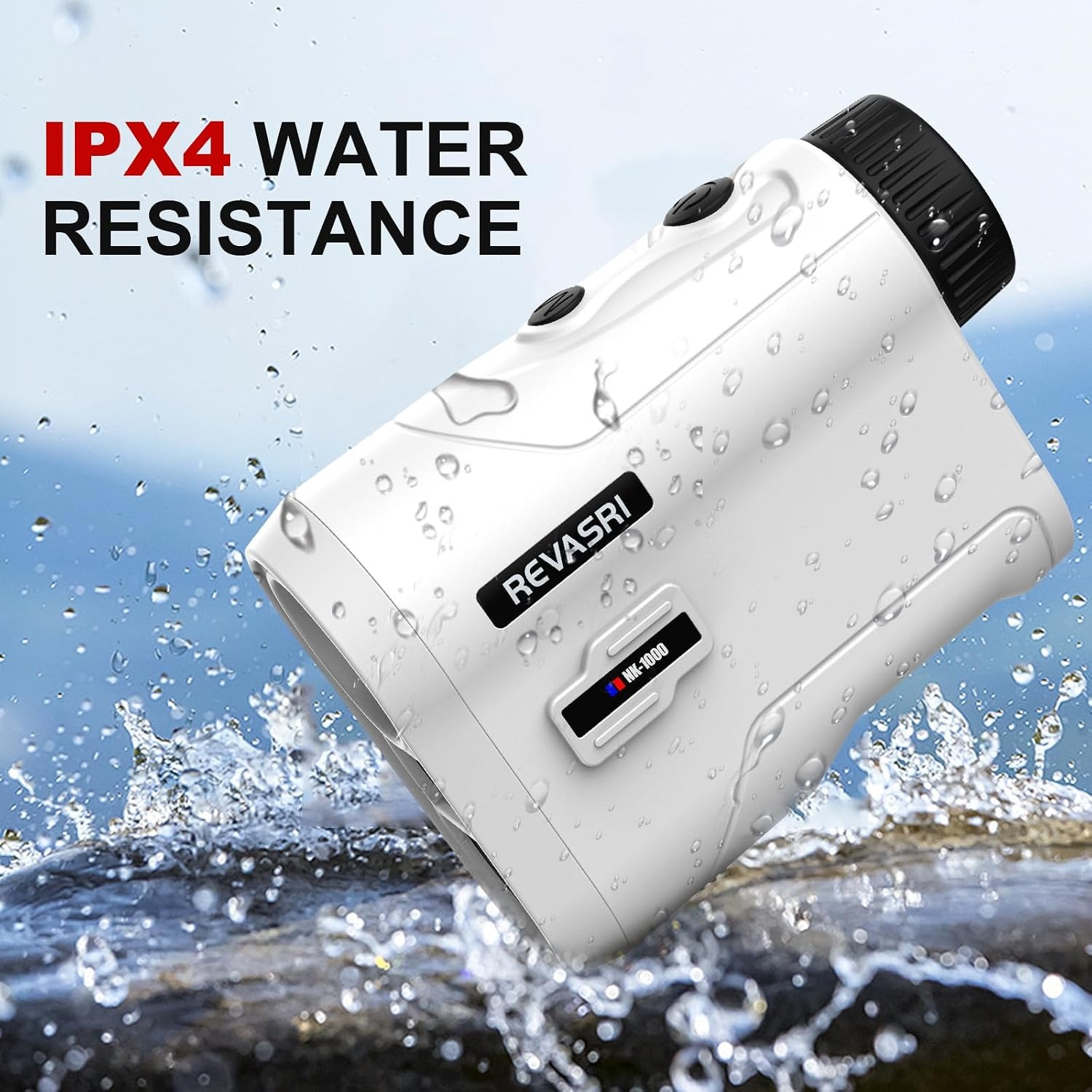
Water resistance and an IP54 rating are also listed. These details should not be turned into a claim that the device is waterproof. Do not immerse it, rinse it under a tap or leave it wet in storage.
For a water resistant golf rangefinder, sensible care still matters. Follow the manual's limits, wipe away moisture and let the device dry before packing it away.
It is worth thinking about where the unit will sit in your bag. A dry storage space is a better plan than relying on a rating to cover every weather condition.
Decide whether it suits your routine
This small golf rangefinder is worth considering if size, stated weight and included accessories are high on your list. The measurements let you check storage space, while the pouch gives you a supplied carrying option.
A beginner should take time to learn the controls. A more experienced golfer should compare the confirmed details with the features they already use. Neither group should assume that an unfamiliar device will behave like another model.
Handedness is not specified. If you have particular handling needs, ask about the control layout before buying.
Competition use needs a separate check too. No rules-conformity or event-approval claim is made here. Check the conditions of your event rather than treating a product description as permission to use it.
Keep care simple and regular
Use the supplied lens cleaning cloth gently. Avoid rough fabric, abrasive cleaners and improvised cleaning methods that could affect the optical surfaces. The manual should be your first reference for anything beyond light routine care.
Keep the device dry before placing it in the pouch. A carrying pouch is useful for keeping equipment together, but it should not be assumed to be waterproof or crushproof. Neither claim is supplied here.
Store the cable and manual where they will not get lost among loose golf accessories. A little organisation makes it easier to check charging instructions or find the cable before your next outing.
If the device needs attention, check the support and warranty process rather than taking it apart.
Buying as a gift
A golf rangefinder gift works best when you know the recipient wants this type of equipment. If possible, check whether they already own one and which specifications matter to them.
Size and weight are easy details to share without making promises about performance. The included pouch, battery and cable also give you a clear account of what the recipient will receive.
Timing deserves some thought. The 14-day change-of-mind return period starts from delivery, not from the day the gift is opened. Ordering far ahead of a birthday or holiday may leave less time for the recipient to decide whether it suits them.
Check delivery, warranty and returns
The maker gives no delivery estimate in the maker's description. For a Canadian delivery address, check the information available when ordering or ask for an estimate. Do not plan around an unstated arrival date.
The specifications state a one-year warranty, but do not provide its coverage, exclusions or claim procedure. Ask for those terms if they are important to your decision.
Change-of-mind returns are available for 14 days from delivery, and the customer pays return postage. Ask for instructions before sending anything back. Your rights under provincial consumer protection law also apply.
Keeping your order information and checking the package soon after arrival can make any follow-up easier.
The short version
Choose this compact golf rangefinder on the strength of its confirmed details. It weighs 120 g, measures 9.65 x 3.3 x 6.6 cm and includes a battery, pouch, charging cable, lens cloth and manual.
Confirm the supplied measuring range before ordering if distance limits matter to you. Check the fit in your kit, read the charging and care instructions, and review the return terms. Those practical steps give you a clearer basis for deciding whether it belongs in your golf bag.